Blog Playbooks · What You Missed: Oct 19 to 25, 2026 · Part 1
Two ad platforms can rewrite your ads this week. On Meta, the risk is yours.
OpenAI turns on AI rewrites for ChatGPT ads by default, Meta's new terms make you responsible for what its AI changes, and Google is pulling your videos into Performance Max. Here is what to switch, and what to read, before Friday.
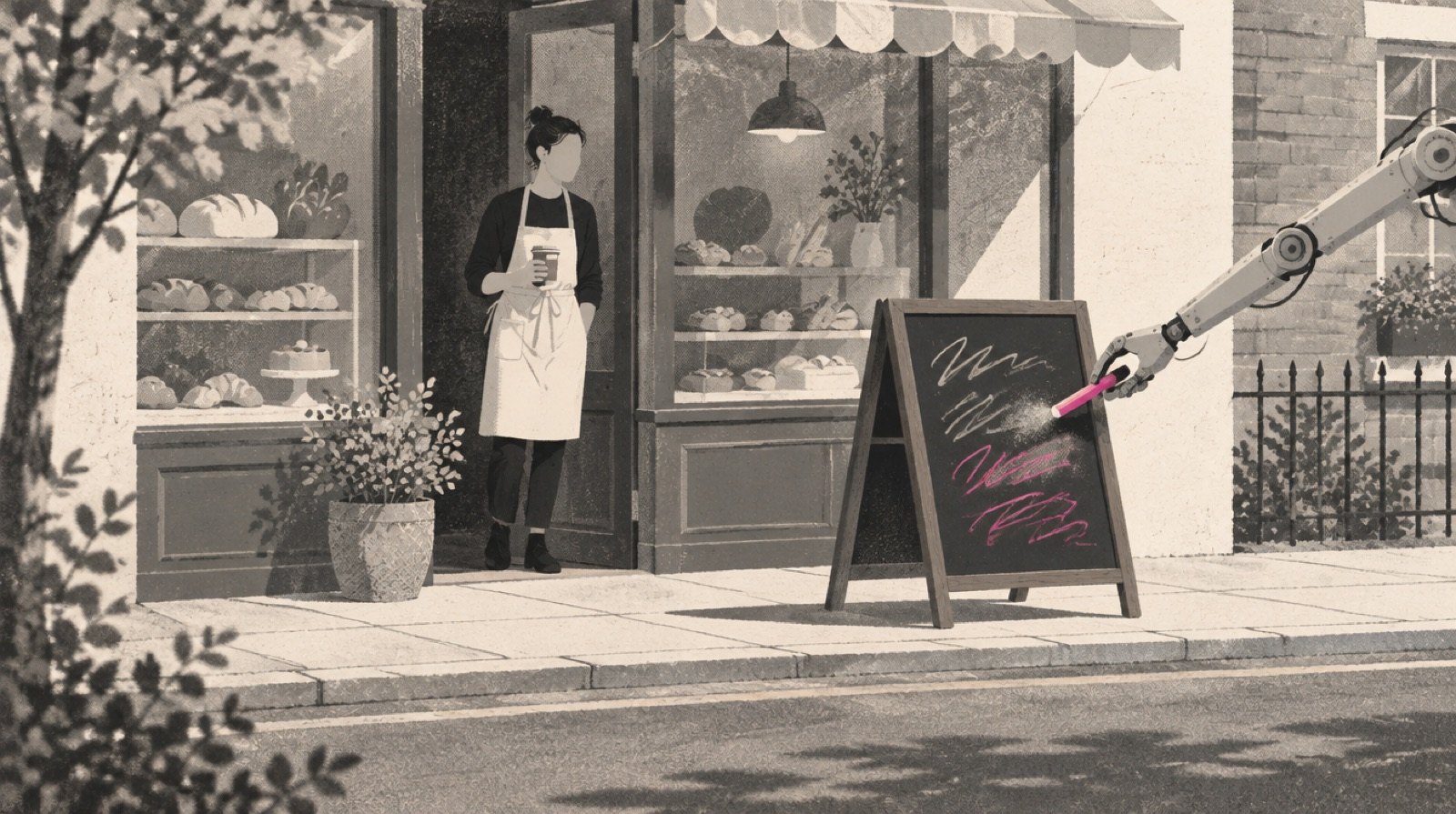
You wrote the headline. You picked the photo. You chose the page the ad sends people to. By the end of this week, software on two of the biggest ad platforms can change all three, and on one of them, what it changes is legally your problem.
What happened
OpenAI. On October 20, OpenAI emailed advertisers, as published by Search Engine Roundtable that day: "Starting Friday, October 30, 2026, we'll enable creative enhancements for your new and existing self-serve campaigns." As reported by PPC Land on October 21, OpenAI's help page gives Thursday, October 29.
According to PPC Land, it can rewrite headlines and descriptions, translate the text, resize your images, and point the destination URL to a different page on your site. The email adds: "When enabled, these ads can run automatically without requiring you to review or approve each version."
One toggle in the Settings section of Ads Manager covers all four, PPC Land reports. It is an account default, and "campaign-specific settings will take priority over account defaults." Earlier opt-outs carry over.
Meta. Meta's revised Commercial Terms take effect October 30. As reported by Adweek on October 22, and covered by PPC Land the same day, the new terms add a section called "AI Features" that makes advertisers "solely responsible" for whatever Meta's AI features create or change in their ads, including features Meta switches on. Per PPC Land, running ads after October 30 counts as accepting them. A Meta spokesperson told Adweek that advertisers can turn off individual Advantage+ features in Ads Manager at any time. Meta did not directly answer whether advertisers are liable for AI features they never switched on.
Google. On October 23, Search Engine Roundtable spotted a new "Sourced videos" setting in Performance Max. Google's help page says: "Sourced videos are enabled by default for all new campaigns." It also says the setting "may have been activated automatically on some existing campaigns as part of a recent platform update." Google can add "up to 10 crawled videos" to each asset group, from sources you approve: social accounts, your landing page and your linked YouTube channel. And Google's Ads Developer Blog said on October 21 that from December 4, image extraction, where "Google AI scans provided landing pages for high-resolution images," is on by default for new Performance Max campaigns.
Source: Search Engine Roundtable, Oct 20; PPC Land, Oct 21; Google Ads Help; Google Ads Developer Blog, Oct 21
What it means for your business
Take a dental office running a ChatGPT ad for new-patient cleanings. Creative enhancement could rewrite the headline to fit the conversation, translate it, and send the click to the implants page instead, because software decided it was "relevant." The office may never see that version before it runs.
Or a salon on Meta that left the Advantage+ creative features at their defaults. If an AI-generated image or line of text in that ad promises something the salon does not offer, Adweek's reading of the new terms says that is the salon's responsibility, even if the salon never chose the feature.
AI-written ads are not bad by default. Sometimes the machine finds a line that gets more people to book. The problem is that each platform picked "on" for you, and on Meta the risk sits with you.
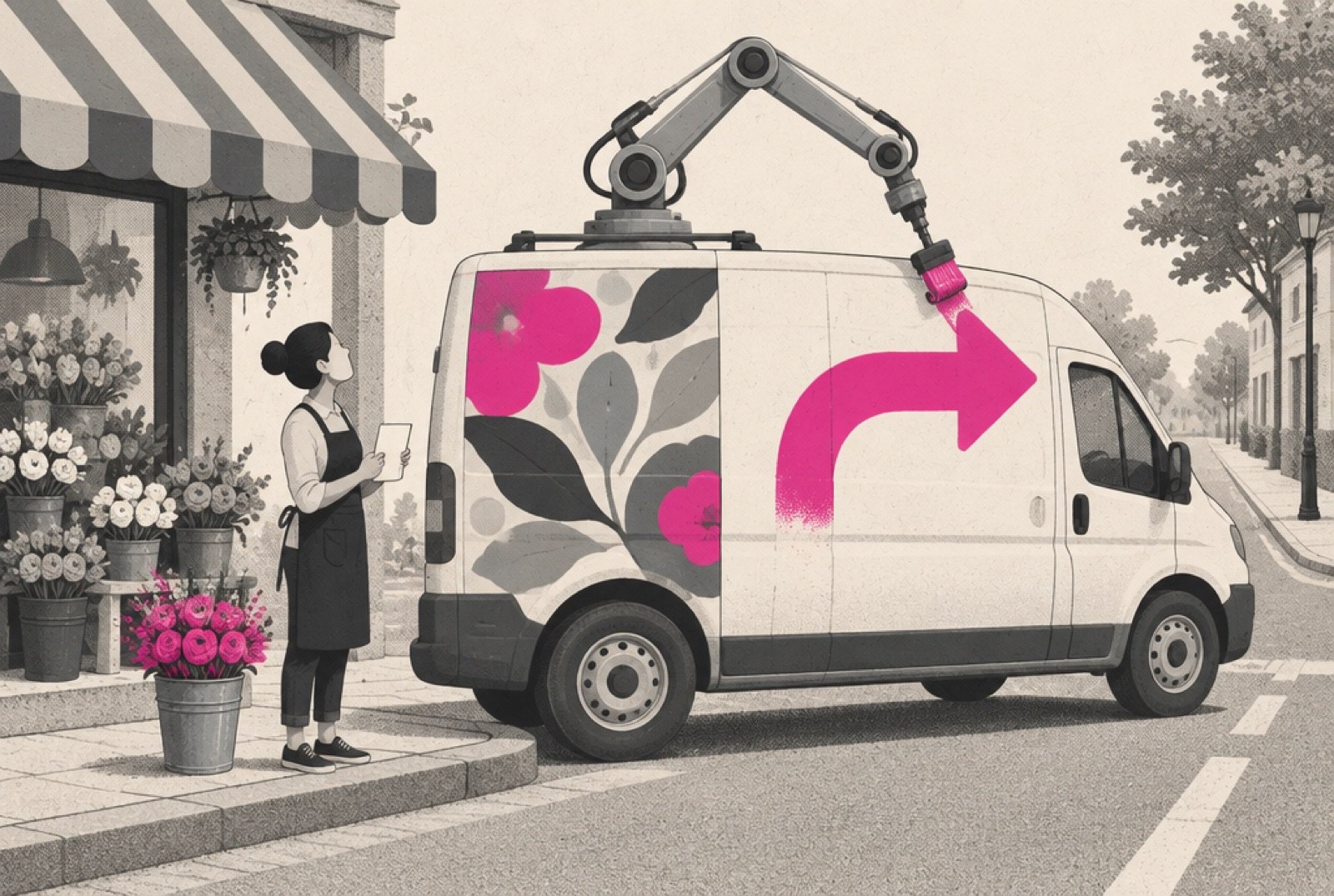
By Friday, software can change your ad and where it sends people. Decide on purpose, and have a person read what it wrote.
What the platform does by default
OpenAI rewrites, translates, resizes and redirects ChatGPT ads that run without review. Meta treats you as solely responsible for what its AI changes. Google adds up to 10 sourced videos to new Performance Max asset groups.
What you control
One OpenAI toggle per account, with campaign overrides. Each Advantage+ feature on Meta, switched off one by one. The Sourced videos checkbox in Google's asset optimization settings, campaign by campaign.
What to do this week
- Open ChatGPT Ads Manager Settings
Find the "Creative enhancement" card. Set the account default, then override any campaign that must say exactly what you wrote, such as a price or a licensed service.
- List the Meta AI features each ad uses
Ask whoever runs your Meta ads which Advantage+ creative features are on. Switch off the ones you never chose and cannot check.
- Read the new Meta terms yourself
They take effect October 30. If your ads make claims that need care, such as health or pricing, have your own advisor read them. This is not legal advice.
- Check Sourced videos in Google
Look at asset optimization in each Performance Max campaign, including old ones. Keep it only if every video on your approved sources is one you would pay to show.
- Look at your ads after Friday
Open each Ads Manager and read what is actually running. Keep the AI where it earns leads and switch it off where it does not.
Running more than one location? Repeat this in every ad account.
This is the same pattern we covered on Meta's product browsing, which also switches on in existing ads this month: a default you did not pick, with days to say no.
This is part of What You Missed, our weekly read on the marketing news that matters to business owners. See the full week: /blog/what-you-missed-week-of-october-19-2026
Sources
- Search Engine Roundtable, "OpenAI ChatGPT Ads Enabling Creative Enhancements," Barry Schwartz, October 20, 2026 (reproduces OpenAI's advertiser email). seroundtable.com
- PPC Land, "OpenAI to rewrite ChatGPT ads by default as advertisers get days to opt out," Luís Rijo, October 21, 2026. ppc.land
- Adweek, "Advertisers Pull Meta Ads That Had Unwanted AI Glow-ups," Trishla Ostwal, October 22, 2026. adweek.com
- PPC Land, "Meta makes advertisers solely responsible for its AI ad edits from Oct 30," Luís Rijo, October 22, 2026. ppc.land
- Search Engine Roundtable, "Google Ads Asset Optimization Sourced Videos Toggle," Barry Schwartz, October 23, 2026. seroundtable.com
- Google Ads Help, "About sourced videos in Performance Max campaigns," accessed October 25, 2026. support.google.com
- Google Ads Developer Blog, "Upcoming changes to image extraction in Performance Max campaigns starting December 4, 2026," October 21, 2026. ads-developers.googleblog.com