Blog Playbooks · What You Missed: Oct 12 to 18, 2026 · Part 8
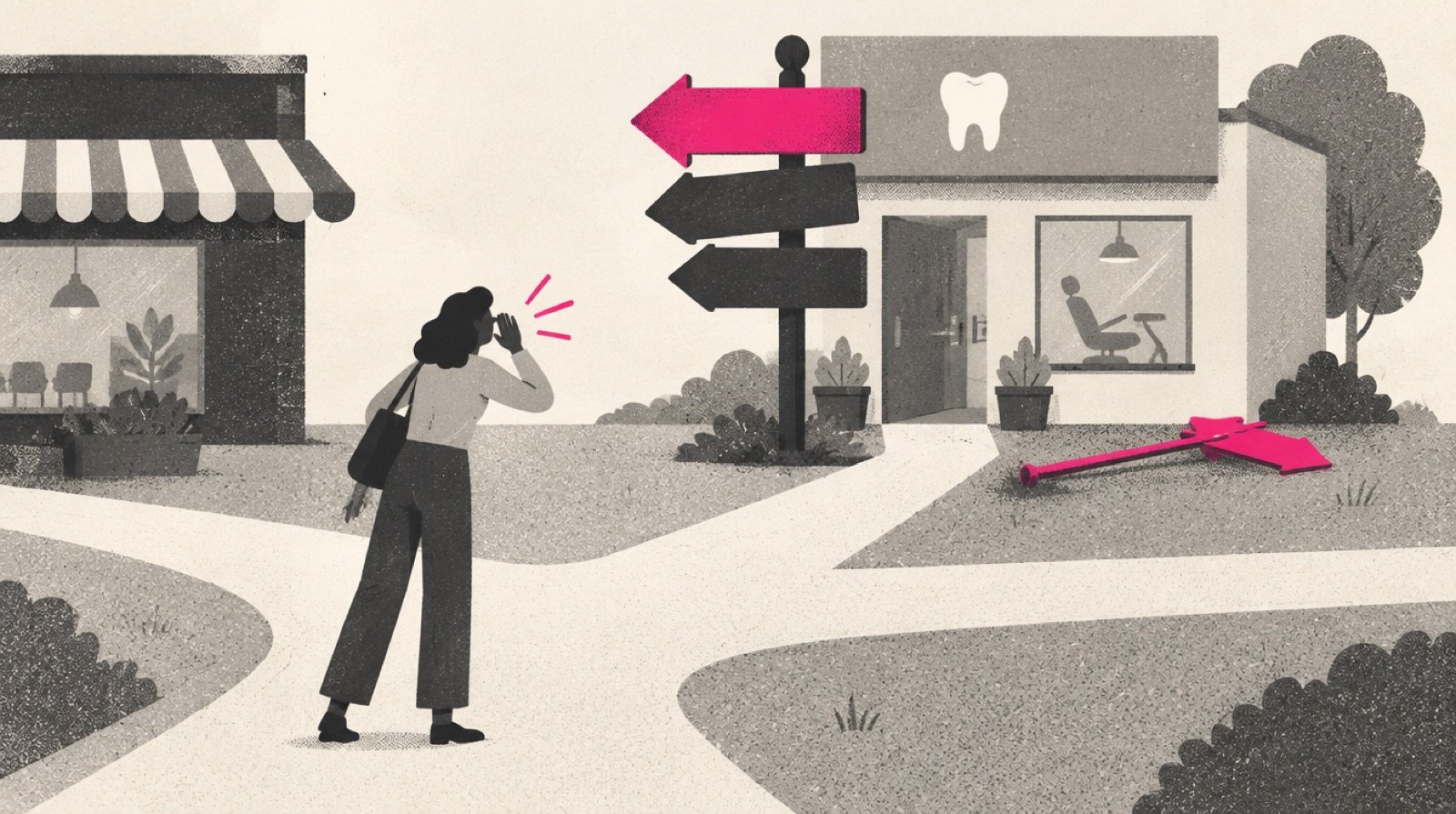
Your Google rankings jumped around this week. Don't fix anything yet.
Rank trackers lit up around October 14 to 16, and Google has not confirmed an update. Before you rewrite a single page, check the numbers that pay you: calls, bookings, direction requests and forms.

Some time this week, someone told you your Google rankings moved. Maybe a tool emailed you, or your web person sent a worried screenshot, or you searched your own business and saw a competitor sitting where you usually sit.
The instinct is to fix something: rewrite the homepage, cut the old blog posts, change the page titles. Most weeks, that is the wrong move. Check what actually happened first.
What happened
On October 16, Search Engine Roundtable's Barry Schwartz reported a spike in Google ranking volatility and in chatter among people who track search for a living, covering the prior 24 hours. The post showed charts from more than a dozen third-party rank tracking tools.
Two things in that report matter more than the charts.
First, Google has not confirmed any update. Google lists its confirmed ranking updates on its Search Status Dashboard. When we checked it, the dashboard showed no ranking update starting between October 14 and 18.
Second, Schwartz himself said third-party rank tracking tools are struggling right now, and that their data should be read with caution. The tools measure Google from the outside. Sometimes the swings they show are real. Sometimes they are the tools.
For context, Google's September 2026 spam update, which Google did confirm, started on September 24. The Search Status Dashboard lists it as running 13 days and 16 hours, and Search Engine Roundtable reported it finished on October 8. One site owner quoted in the October 16 report wrote, "Something changed during/after the spam update."
Source: Google Search Status Dashboard, checked October 18, 2026; Search Engine Roundtable, October 16, 2026
What the rank trackers showed
A spike in ranking volatility around October 14 to 16 across more than a dozen tools, plus a lot of worried chatter. The reporter himself warned the tools are struggling.
What Google confirmed
No ranking update in that window. The last confirmed update, the September 2026 spam update, ran from September 24 into early October.
What it means for your business
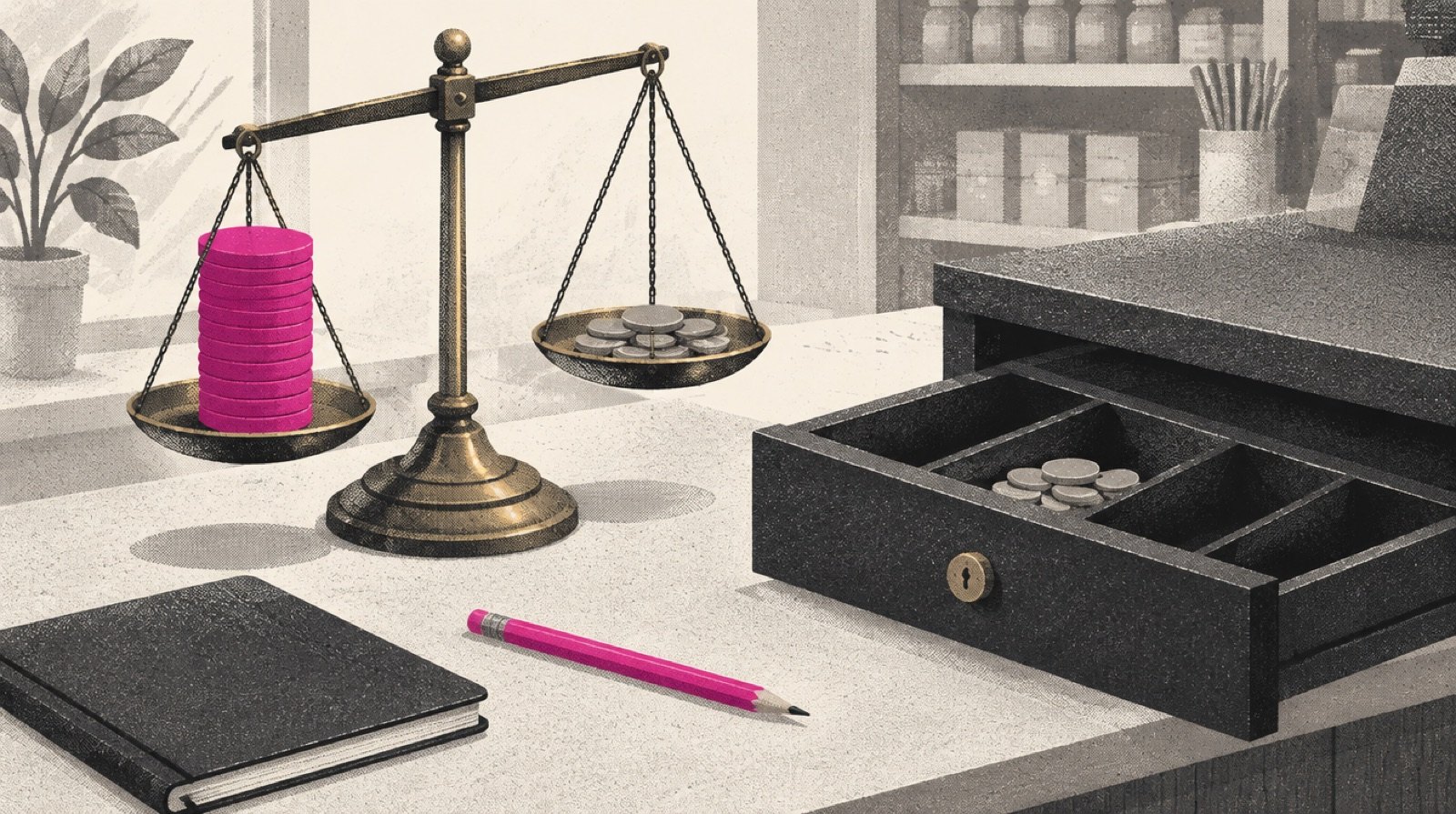
Nobody pays you for being third on Google. They pay you when they call, book, walk in or fill out a form.
That matters because rankings and revenue do not always move together. You can drop two spots for a search that never sent you a customer and lose nothing. You can hold your spot and lose calls because an AI answer now sits above you. If you only watch rankings, you will react to the wrong thing.
Nobody pays you for being third on Google. Check what pays you before you change what ranks.
Google's own advice points the same way. Its guide to core updates tells site owners to wait until an update has finished, then wait "at least a full week after a core update completes before analyzing your site in Search Console," and to compare that week with a week before it started. For small drops, Google says "There's no need to take drastic action," and it recommends "avoiding making changes to content that's already performing well." It also says "Deleting content is a last resort." That guide is written for core updates, but the logic holds for any swing: let it settle, then measure.
A rewrite in a bad week can throw away pages that were working, and then you cannot tell whether the next change came from Google or from you. We wrote a longer plan for living with this in Algorithm volatility is the new normal.

What to do this week
The best thing you can do this week is measure.
- Check the numbers that pay you
Look at calls, bookings, direction requests and form fills for the last two weeks. Your Google Business Profile, your booking system and your phone records will tell you more than any rank chart.
- Compare week over week, not day over day
Put this week next to last week and the same week a month ago. One bad day is noise. Two bad weeks in a row is a pattern.
- Look at Search Console, not only rank tools
Search Console is Google's own count of your clicks and impressions. If clicks to your key pages are steady, the rank chart is not your problem.
- Wait before you rewrite
If customers and leads are holding, change nothing. If they have dropped for two weeks or more, then look at which pages lost clicks and why.
- Write down what you change and when
If you do make changes, keep a dated list. When the numbers move later, you will know whether it was Google or you.
This is part of What You Missed, our weekly read on the marketing news that matters to business owners. See the full week: /blog/what-you-missed-week-of-october-12-2026
Sources
- Search Engine Roundtable, "Google Search Ranking Volatility & Chatter October 16," Barry Schwartz, October 16, 2026. seroundtable.com
- Google, "Google Search Status Dashboard: Ranking incident history," checked October 18, 2026. status.search.google.com
- Google Search Central, "Google Search's Core Updates," last updated December 10, 2025. developers.google.com