Algorithm Volatility Is the New Normal: The 2026 Marketing Plan for Brands That Need Consistency
Ad results swing week to week as platforms retrain their delivery models. The five-part plan we use to keep results steady anyway.
Notes from the work · The team
Notes from the people who buy the ads, build the creative and call the leads.
Ad results swing week to week as platforms retrain their delivery models. The five-part plan we use to keep results steady anyway.
If you run Meta ads, you’ve felt it. Control is shrinking.Automation is expanding.And a lot of marketers are panicking because the “old levers” don’t work like they used to.
Google Ads is a different animal going into 2026. The trend has been clear: more automation, more AI decision-making, fewer levers for marketers—and if you’re still running Google like it’s 2019, your campaigns will struggle.
If you’re planning your marketing budget for 2026, here’s the uncomfortable truth: The “old” paid media playbook still works… but only if you stop pretending the platforms operate like they did in 2018.
Imagine you’ve been training for a marathon your whole life. You know the course; you’ve paced your stride and nailed hydration. Then, the morning of the race, the organizers quietly swap the marathon for a triathlon. That’s what’s happening in social media right now.
When Apple quietly rolled out iOS 26 this fall, the marketing world let out a collective groan. The new update filters text messages from numbers not saved in a user’s contacts, automatically routing them into an “Unknown Senders” folder.
Nike spends more on a single campaign than most businesses generate in revenue for an entire year. If you try to play their game dollar-for-dollar, you’ll get crushed. But here’s the brutal truth: money isn’t Nike’s real advantage. Discipline is.And that’s something you can steal—today.
Imagine sitting at a dinner party while someone else tells your life story — not just the highlights, but the details you’d rather keep quiet. You’re right there, but nobody asks you to speak. That’s what’s happening to your brand right now.
The Problem With Trend Lists 📉 Every January, the marketing world vomits out another round of “Top 10 Trends You Need to Watch.” It’s a predictable cycle. New buzzwords. New acronyms. New distractions. But here’s the brutal truth: entrepreneurs don’t need more trends—they need fewer.
Here’s the brutal truth: customers don’t care about your logo, your color palette, or the tagline your agency spent six months arguing over. They care about how your brand makes them feel—and now, AI is measuring that better than you are.
Imagine showing up at a customer’s front door with the perfect pitch, only to find a robot bouncer who won’t even let you knock. That’s the new reality of outbound sales. Apple’s latest iPhone update includes a “No Voicemail” screening feature. Translation?
For years, marketers have declared print dead.Meanwhile, digital became the default — cheaper, faster, more trackable. However, here’s what’s happening in 2025: as inboxes overflow and social feeds are inundated with ads, print is quietly regaining its power.
Most entrepreneurs are still stuck playing checkers in a chess game.They’re counting likes, chasing followers, and praying that the algorithm blesses them — while their actual sales pipeline is drying up. Here’s the brutal truth: agencies live in the digital landscape.
Marketing to teens is like walking a tightrope over a canyon. One step forward, you’re rewarded with loyalty and viral growth. One wrong move, and you’re roasted into oblivion—mocked in the comments, memed into irrelevance, and written off for good. This isn’t hyperbole. It’s data.
Picture this: you’re at a career fair. Tables lined with companies, students nervously handing over résumés, recruiters politely nodding while tossing half of them into the “maybe later” pile. That model has been broken for years—and Instagram just hammered another nail into its coffin.
Picture this: you wake up one morning, and your entire marketing playbook has been rewritten overnight. Not because of a new Google algorithm update, not because Meta decided to throttle your reach again—but because the future of search just got hijacked by a courtroom.
I remember the first time I realized Google wasn’t a search engine. It was a surveillance company. Think about it. Gmail receipts told them what you bought. Google Calendar knew where you’d be. Search captured what you were about to want before you even admitted it to yourself.
Here’s the thing about Google and Facebook: the second they know someone is in-market for your product or service, the game changes. You’ll nibble around the edges if your goal is small—say 10 new members a month. You’ll run light campaigns, test timid budgets, and hope to squeak out results.
Imagine a marathon runner training like a sprinter. They lace up, explode off the line, and collapse before the first water station. That’s how most entrepreneurs scale their businesses.
If you’ve ever searched “how do I get more followers on Instagram,” you’ve seen the same recycled tips: post more, make Reels, engage in the comments. This week, Instagram decided to take on the role of teacher and publish its own “FAQ” on follower growth.
I remember almost throwing my laptop across the room when a new marketing hire told me ChatGPT’s new Agent Mode and Google’s Agentspace would make everything we built obsolete.
“In baseball, no matter how well you connect, the most runs you can get is four. In business, you can score 1,000 runs every once in a while.” – Jeff Bezos.
At Sneeze It, we think of our company as a brain. Every department plays a different role in how we think, act, and perform for our clients: 👁️✨ CREATIVE is the voice and visuals that grab attention.
Every week, there’s a new “state of social media” article telling you what’s changing. More short-form video. More creator collabs. More AI-driven targeting. And every week, brands eat it up—adjusting campaigns, hiring “content strategists,” chasing whatever the platforms want them to chase.
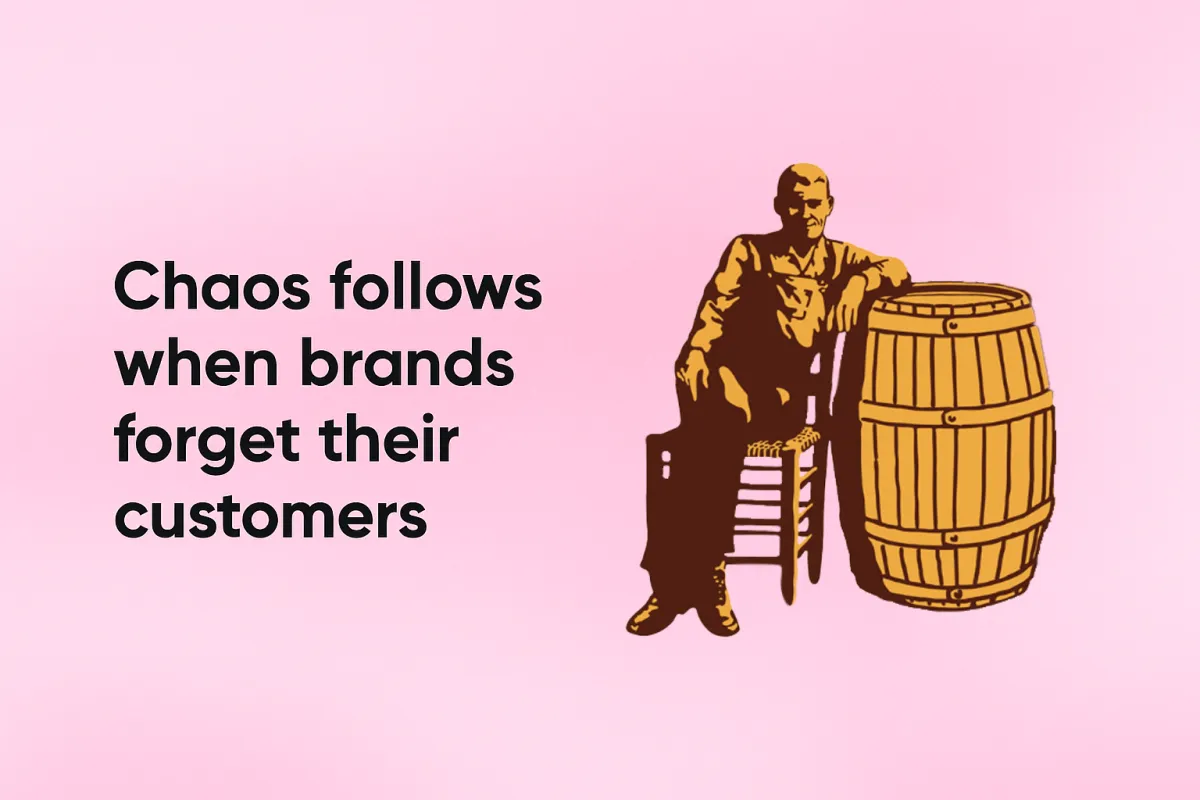
Remember Schlitz Malt Liquor? Once the second-largest brewer in America, they thought they could reinvent themselves with “new formulas” and flashy campaigns. Instead, they destroyed consumer trust, lost their identity, and never recovered. Fast forward to Bud Light.
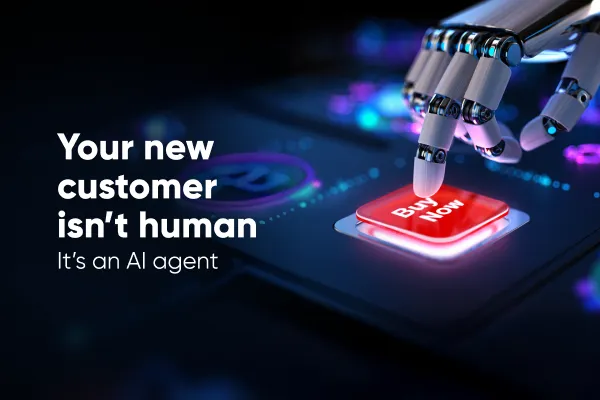
I used to think our biggest competitor was another agency. Then ChatGPT got a wallet. Now? Our biggest competitor is a machine that doesn’t sleep, doesn’t scroll, and doesn’t care about your founder story.

“Do you have 5 minutes to catch up?” You’ve seen it. You’ve probably sent it. And you know exactly what happens next: nothing. Silence. Not because your prospect is rude. Not because they’re not interested. But because you didn’t give them a reason to care.
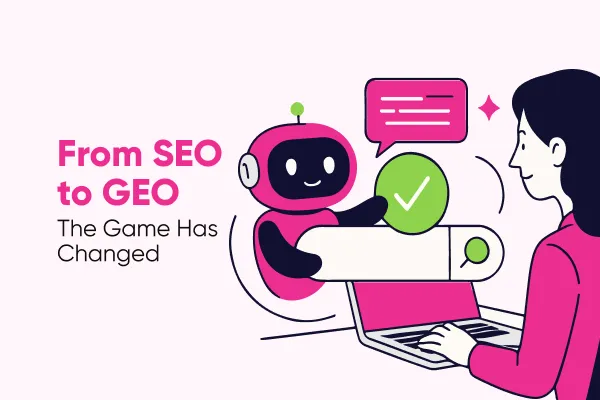
You’ve done the SEO.You’ve gotten your business into the Map Pack.Now comes the next evolution: GEO Generative Engine Optimization. And no, this isn’t something to stress about.It’s what you’ve always wanted. Because for the first time, the game isn’t about gaming the system.
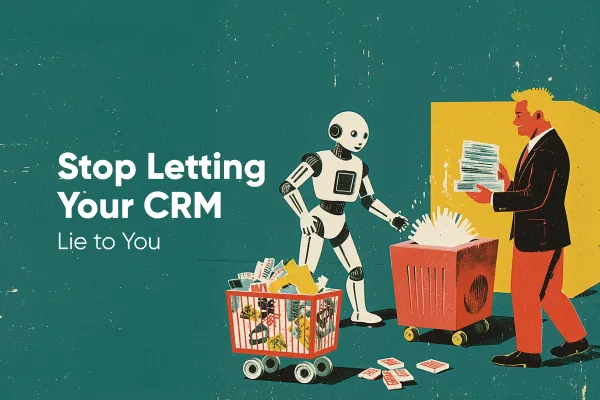
If most companies ran a dating service like they run their CRM, they’d try to marry everyone who swiped right without asking their name. That’s the brutal truth. CRM data isn’t the truth. It’s just noise until you understand where it came from, why it’s there, and what it’s done in the past.
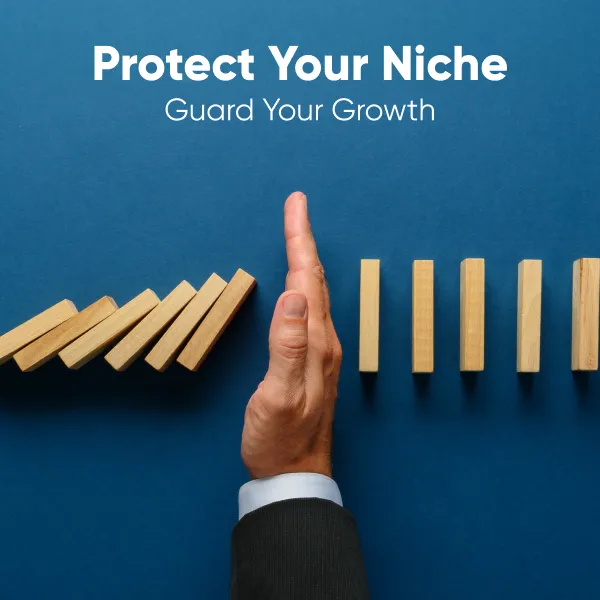
I will be brutally honest with you: defining your target customer isn’t the hard part. Defending that definition against the siren song of revenue is where most founders fail. How do I know? Because we did too.
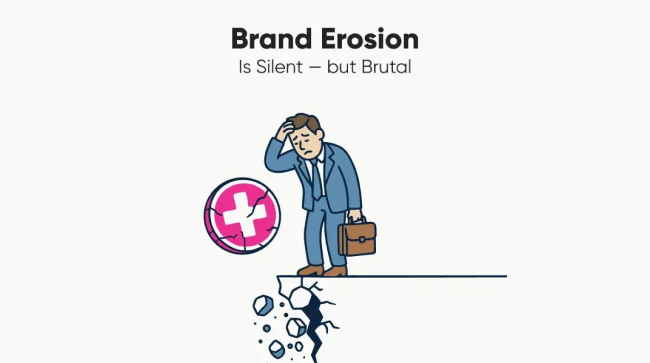
Outsourced, AI-written content flattens your voice so slowly you miss it, until a prospect picks a sharper competitor. How brand erosion happens and three ways to stop it.
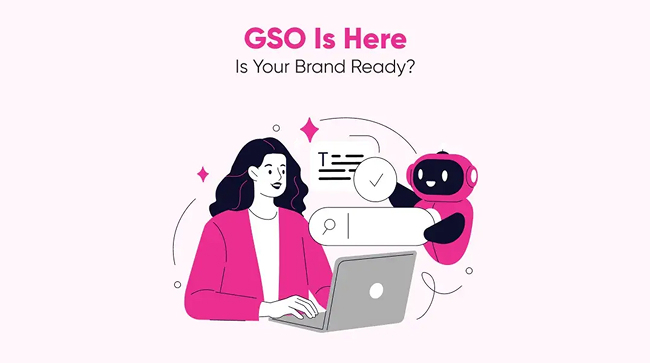
If you typed into ChatGPT “Who’s the best [your industry] in the country?” would your name pop up? Probably not. At least not yet. But soon, this will matter more than you realize. Generative Search Optimization (GSO) is quickly emerging as the new marketing battleground.
Entrepreneurs love to think of themselves as natural attackers. We start companies to shake things up, steal market share, and change the game. In those early days, you’re forced to be aggressive. You have no choice but to fight for every customer, every dollar, every bit of attention.
Entrepreneurs love to tell their story. The hustle. The garage startup. The nights were spent sleeping on the office floor. And let’s be real—people love those stories too. They make brands feel human. They make you relatable. That scrappy underdog image is powerful.
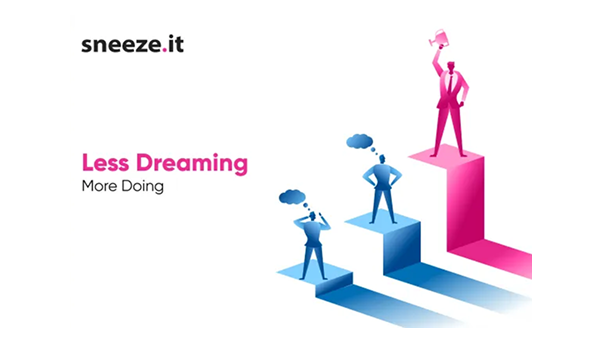
As entrepreneurs, we’re hardwired to dream. From the moment we start our business, we see possibilities everywhere. We fantasize about disrupting entire industries, taking down giants, and becoming unstoppable market leaders. It feels great. It’s exhilarating.
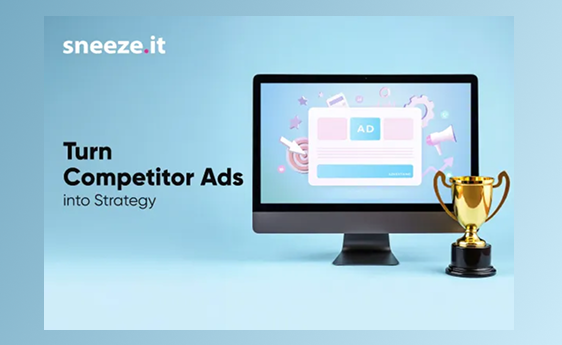
Do you ever scroll your feed and think: “Why the hell am I seeing everyone’s ads but my own?” Congratulations. That’s exactly the position you want to be in. Most entrepreneurs see competitors’ ads and feel frustration or anxiety.
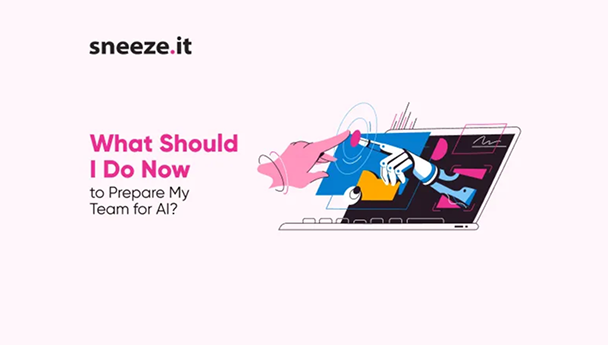
I read the headline this morning over coffee: “Microsoft, OpenAI, and Teachers Launch National AI Training Academy.” For teachers. Not coders. Not marketers. Not Big Tech employees. K–12 teachers. Read that again.
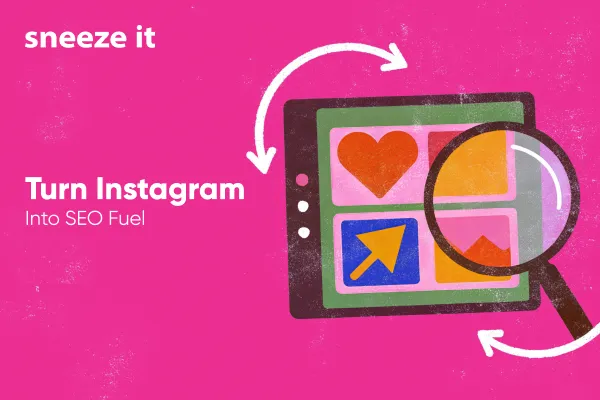
Instagram posts can show up in Google search. Four ways to make them part of your SEO strategy and your funnel, not just your social feed.
Search is changing fast. Google isn’t the only game in town anymore. Tools like ChatGPT, Perplexity, Claude, and Google’s own Search Generative Experience are reshaping how people get answers.
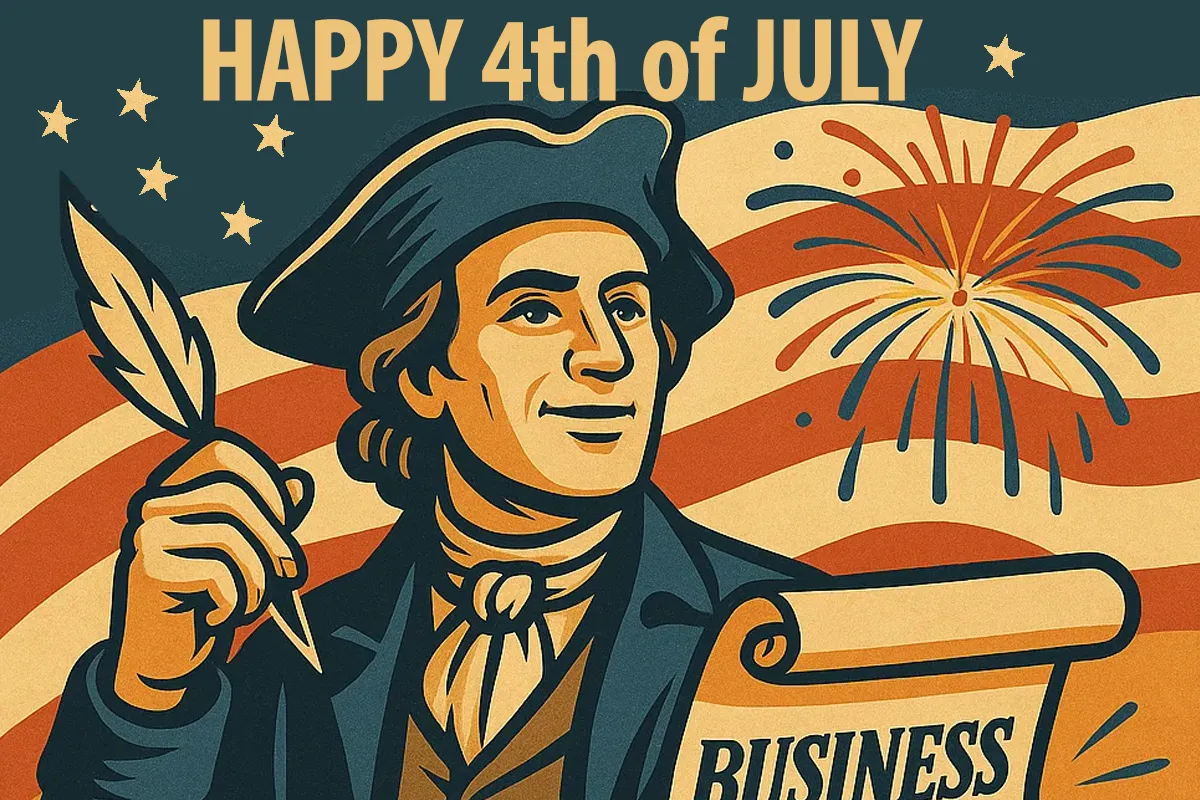
July 4th isn’t just fireworks and cookouts. It’s the anniversary of one of the most audacious startups in history. Thirteen disjointed colonies, sick of being a cost center for the British Empire, decided to launch a new product: The United States of America. It wasn’t easy. It wasn’t polished.
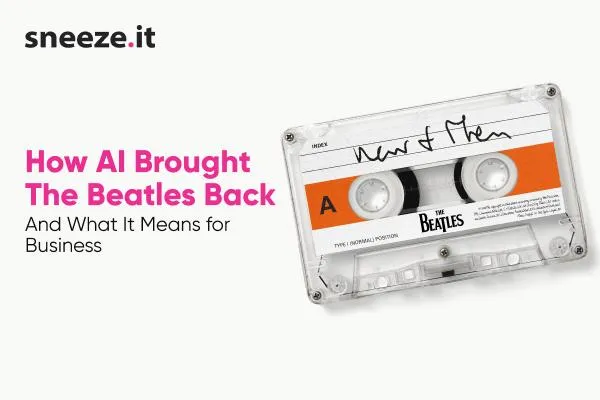
In 2023, the world witnessed a historic moment in music: The Beatles released “Now and Then”, a song decades in the making. But what made this release truly groundbreaking was the use of artificial intelligence (AI) to restore John Lennon’s voice from an old, low-quality demo—something that was…
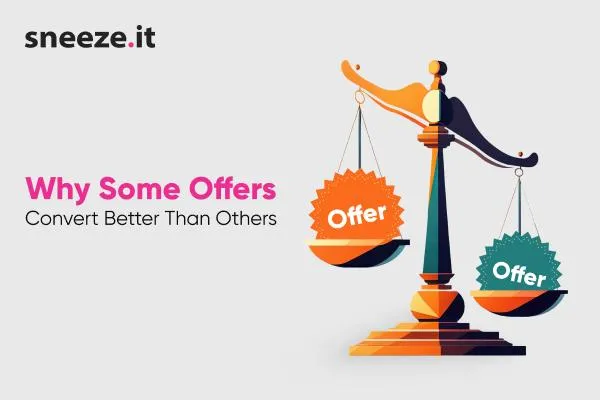
Discounts are one of the most powerful tools in a marketer’s arsenal, but not all promotions yield the same results. Why do some discounts drive a surge in sales while others barely make an impact? The answer lies in consumer psychology.
Social media marketing is evolving faster than ever, and 2025 is shaping up to be a year of big shifts. Brands that stay ahead of these changes will have a significant competitive edge, while those that lag behind risk losing engagement and visibility. Among the biggest updates this year?
As a business owner, you’re always looking for effective ways to connect with your audience and drive results. While email, social media, and traditional advertising are essential, there’s another tool that often goes overlooked: SMS marketing.
Email marketing remains one of the most effective tools in a business owner’s arsenal. Despite the rise of new digital channels, email continues to deliver high ROI, build customer relationships, and drive conversions.
A new year means new opportunities to elevate your business. As we welcome 2025, having a clear and actionable marketing plan is essential to staying competitive and connecting with your audience. Use this checklist to ensure your marketing strategy sets you up for success this year.
Happy New Year, marketers! As we step into 2025, the marketing world is buzzing with possibilities. With technological advancements, evolving consumer preferences, and potential regulatory changes, the landscape is primed for disruption and innovation.
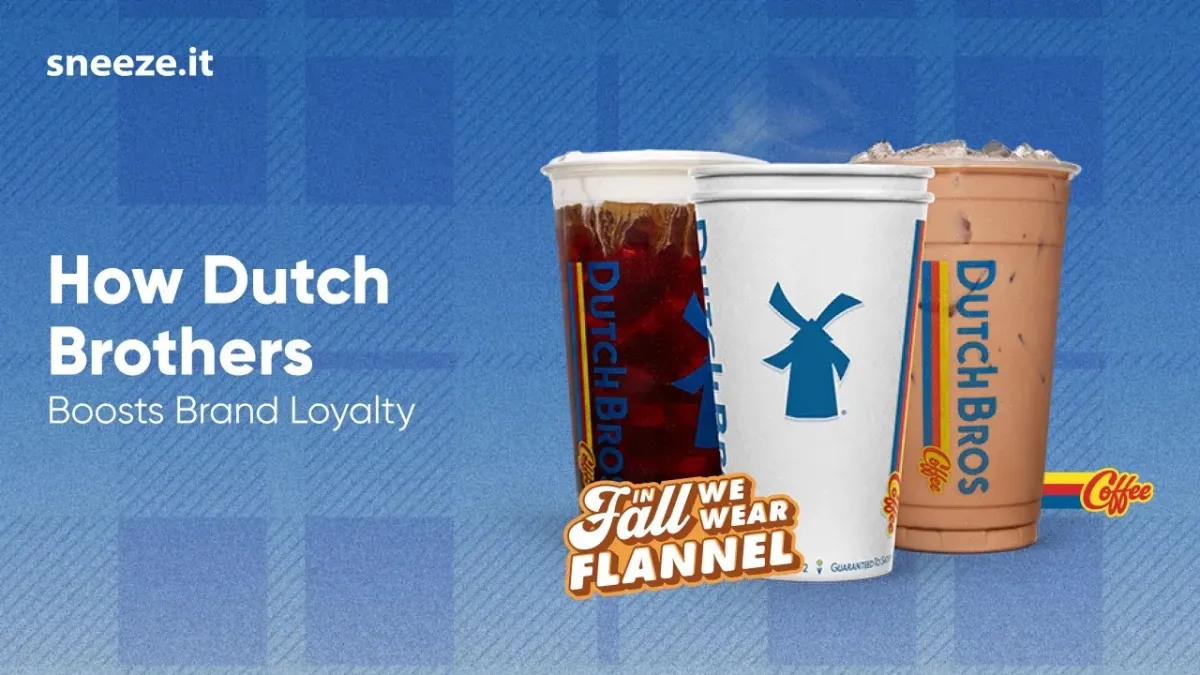
In the highly competitive coffee industry, it takes more than great drinks to stand out. Dutch Brothers, the popular drive-thru coffee chain, has found an ingenious way to foster a loyal customer base—and it doesn’t rely solely on caffeine. One of their most effective strategies?
Book a walkthrough with David Steel. Bring last month's lead count and one location you are worried about.