Blog Playbooks · Borrowed From Apps · Part 5
The signed-up, never-came list is your cheapest win
Apps obsess over whether a new user comes back on day one and day seven. Membership businesses have their own version of that number, and it sits in a list most of them never pull.
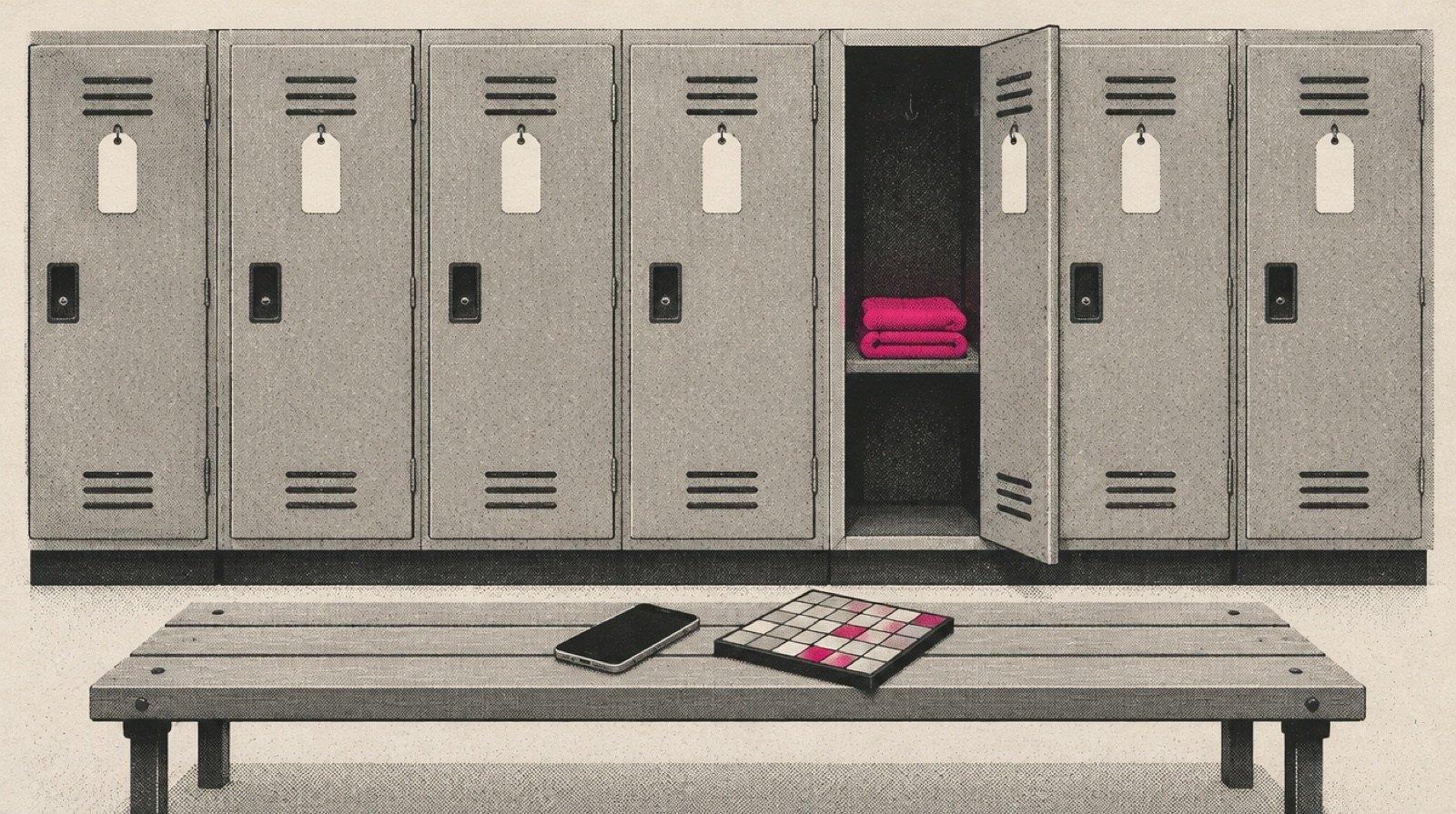
Somewhere in your booking system there is a list of people who did the hard part. They saw an ad or a post, clicked, filled in a form, gave you their name and number, and booked an intro class or claimed a free pass. Then they never walked in.
Most businesses treat that list as a sales list. The follow-up asks them to buy: a membership offer, a discount for joining this week. The best apps would read the same list differently. To an app, a person who installed and never came back is an activation problem, and the fix is getting them to a first good experience before anyone mentions the checkout.
In the last post we looked at people who backed out of a purchase. This group is earlier and bigger. They never got far enough to say no.
Why apps count day one and day seven
App teams watch a small set of early numbers more closely than almost anything else: did the person come back the next day, and are they still around a week later. The reason is that those early days predict the rest.
Amplitude, a product analytics company, looked at 2,600+ companies for its 2025 benchmark report. Getting just 7% of a starting group of users to come back on day seven puts a product in the top 25% for activation. And 69% of the products that did best at day seven were also among the best at keeping users for three months. Those are software products, not studios, so treat them as an analog. Even so, the first week was a strong early read on what came after.
Amplitude also found no meaningful link between how well a product brought in new users and how well it kept them.
Source: Amplitude, 2025 Product Benchmark Report (2,600+ companies); Adapty, State of Paywalls 2026 (30,000+ apps)
The third number is about speed. Adapty's 2026 paywall report, covering 30,000+ App Store apps, found 93% of first purchases in subscription apps happen within 24 hours of install. Interest is highest at the start and fades fast. An app that waits a week to give a new user a reason to come back is talking to a colder person.
Your version of day one
A membership business does not have installs, but it has a moment that works the same way: the sign-up. Someone books an intro class for Thursday at 6. That booking is the download. Thursday at 6 is day one.
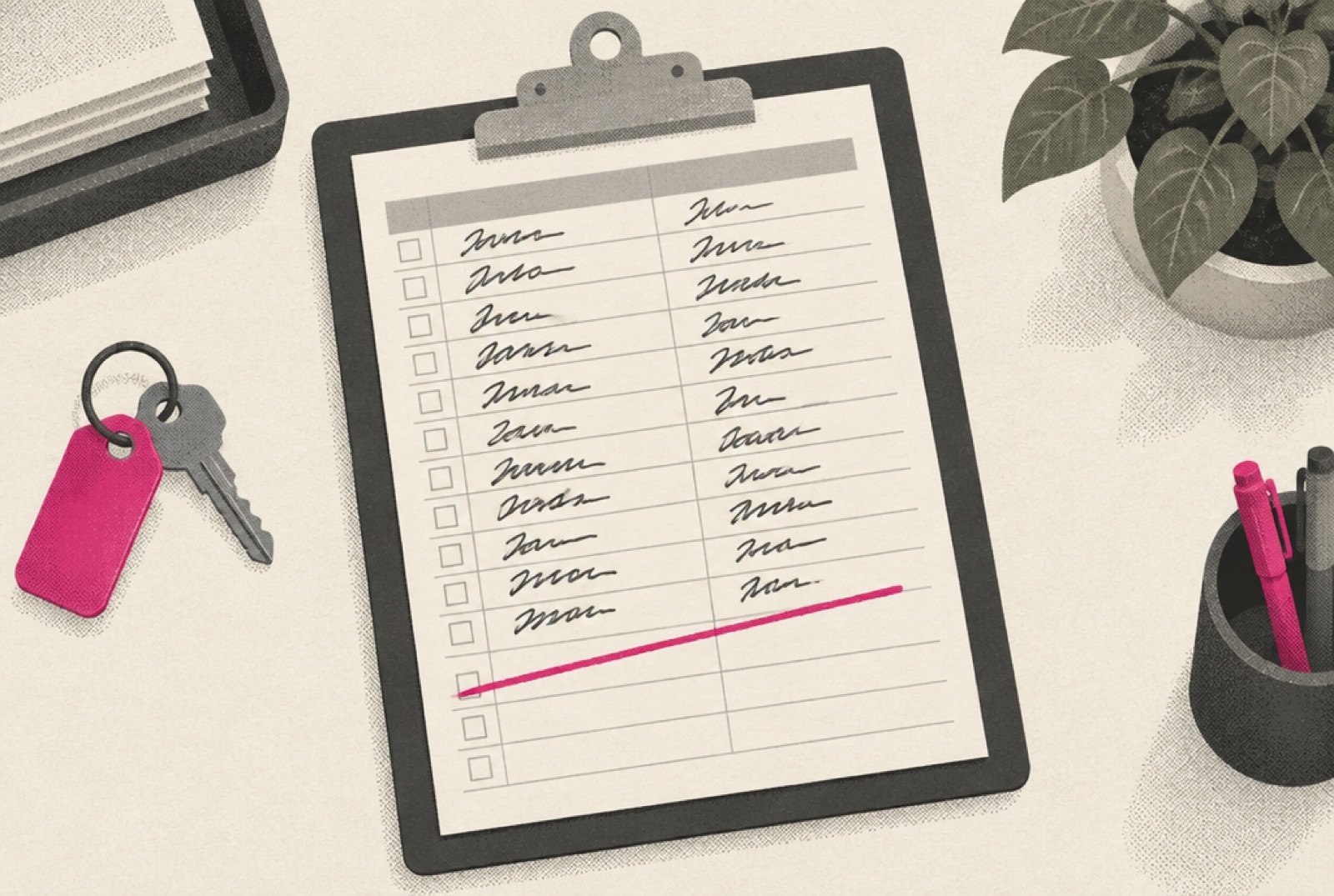
The list most businesses never pull is the people who booked and did not come, plus the people who claimed an offer and never booked at all. They gave you their details, so they have already raised their hand. Getting them in the door does not need a new ad, a new audience or a new offer. It needs a next step that fits where they are.
What most businesses do
Send no-shows the membership offer again. Ask them to buy before they have been in the building once.
What the best apps do
Treat the no-show as a new user who has not had a first session yet. The only goal is the first visit.
A person who has never been to your studio has no reason to buy a membership. They do not know the coach, the room, the people or how they feel after a class. Asking them to pay before any of that is asking them to judge something they have not tried. The first class is the product demo, and they have not seen it yet.
Build the list, then work it
Here is how to turn the list into a weekly habit. It takes an export and some short messages, nothing more.
- Pull everyone who signed up in the last 30 days and has zero visits
Include intro bookings that were missed and offers claimed but never booked. Most booking systems can filter by first visit date or visit count.
- Split by what they did
Booked and missed is a different person from claimed and never booked. The first had a plan that fell through. The second may never have found a time.
- Offer the first class, not the membership
For missed bookings: two or three specific times this week, with one link to rebook. For claimed but never booked: the next three classes that suit a beginner.
- Make the first visit easier
Say what to bring, where to park, who will meet them at the desk, and that the first class is built for people who have never been.
- Reach out fast
The first message goes the same day as the missed class, while they still remember booking it. One more a few days later. Then stop and let the list move on.
Here is a hypothetical to show the size of it. Say a studio gets 120 intro sign-ups a month and 45 of them never come in. If the studio does nothing, those 45 are gone. If a rebook message gets even one in ten of them to a first class, that is four or five extra first visits a month from people already in your system, before any new ad spend. Your own rate will be different, so measure it: of the people you reached, how many made a first visit within two weeks.
A person who has never been to your studio has no reason to buy a membership yet. The first class is the product demo, and they have not seen it.
Two things to get right
Start with permission. Having someone's details does not make every channel fair game. If they agreed to text messages, text them. If they only gave an email, use email. If you plan to show them ads by uploading their details to an ad platform, you need the right permissions and a lawful basis. Meta's terms ask for both, and Google's ask for consent where the law requires it. This is not legal advice; check what applies where you operate.
Then the tone. "You missed your class" reads like a scolding. "We saved you a spot Tuesday at 6 or Thursday at 7" reads like help. The message should sound like the front desk on a good day, not like a billing notice. And it should be short enough to answer with one word.
A small note on our own tools, since people ask. Sneeze It Flow, our lead flow builder, can branch on answers today, so a sign-up that says "I am new to this" can get a different first step than one that says "I have trained for years." Tracking each person's stage from sign-up to first visit to member is something we are building, not something that runs today.
The first visit is only the first session. In the next post we look at what apps do with the sessions right after it, and why the first 30 days of a membership work like a game's tutorial. For what happens when established members start slipping, see how members drift before they cancel.
Sources
- Amplitude (Michele Morales), "The 7% retention rule explained", September 30, 2025. Amplitude 2025 Product Benchmark Report, 2,600+ companies. amplitude.com
- Amplitude, "The leaky bucket problem: More users don't mean more long-term growth", October 2, 2025. amplitude.com
- Adapty, "State of Paywalls 2026", benchmarks October 2025 to September 2026, 78,000+ paywalls in 30,000+ App Store apps. adapty.io
- Meta, "Custom Audiences Terms", effective December 3, 2025. facebook.com
- Google Ads Help, "Customer Match policy". support.google.com