Blog Playbooks · Borrowed From Apps · Part 1
What a puzzle game knows about your members
A match-3 game makes its money at moments built around where a player stands. Most membership businesses hold the same kind of information and still send everyone the same offer. This series borrows the system and leaves the tricks behind.
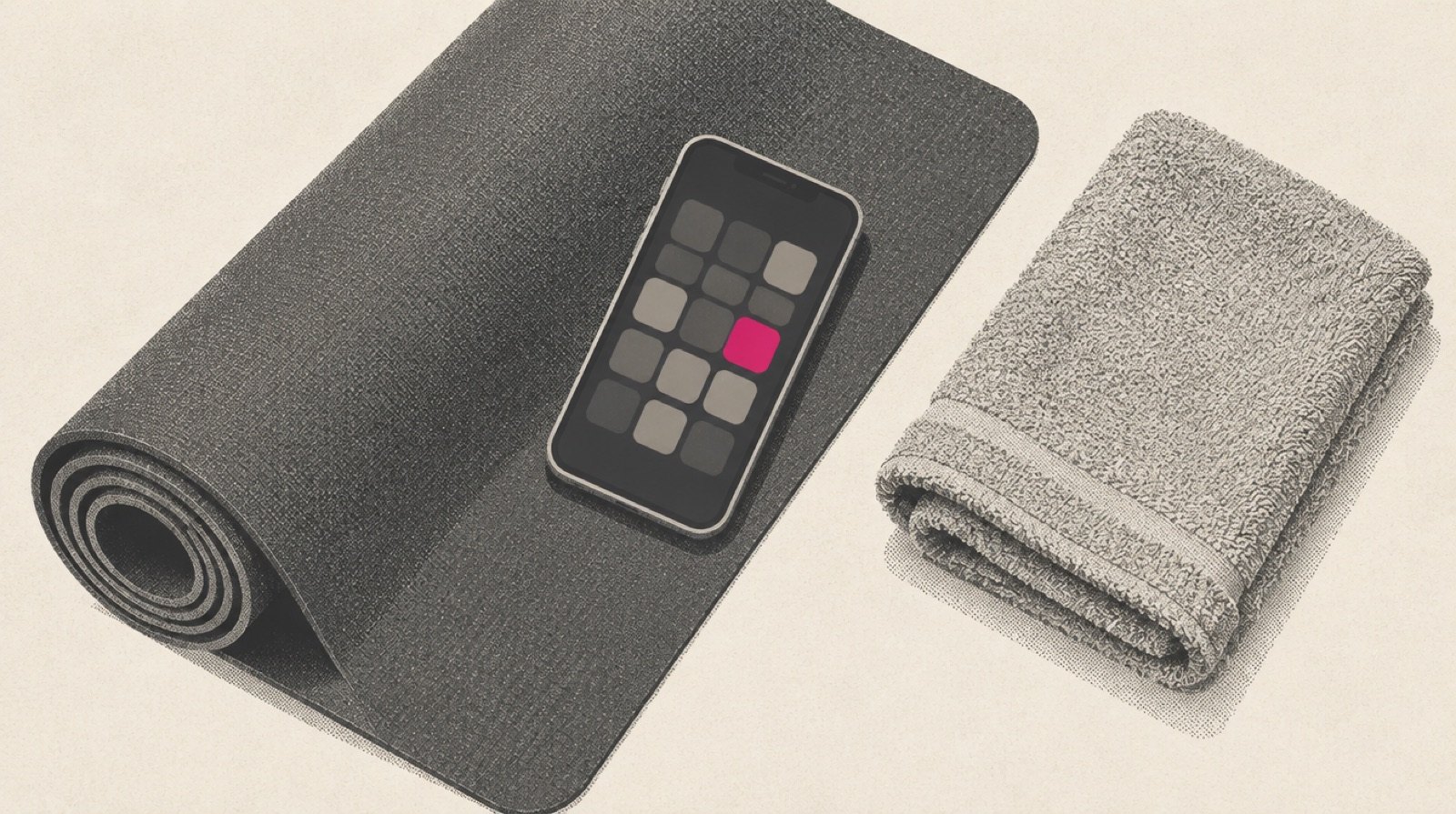
A player is two moves from clearing a hard level. Most of the board is gone. One obstacle is left, and the move counter reads zero. A screen slides up offering a few more moves. The player has been here before, and so has the game's design team. Analysts who take games like this apart say that screen is where much of the money comes from.
We spent time with one of those games, Royal Kingdom, because it is the clearest example we know of an app deciding what each player sees. Membership businesses could use that system. The pressure we would leave out.
A game that knows where you are
Royal Kingdom comes from Dream Games, the studio behind Royal Match. AppMagic estimates, reported by mobilegamer.biz, put Royal Kingdom at about $246 million in in-app purchases in 2025, and Royal Match at about $1.37 billion. These are game numbers, an analog for this series and not a gym benchmark, but they show the scale of what careful timing earns.
Teardowns of the game describe how that timing works. Naavik, a game analysis firm, found that Royal Kingdom adds two "Kingdom Levels" in every ten. They are harder than the usual hard levels, which, in Naavik's reading, makes them the natural place for the "out of moves" screen, the game's main source of revenue. Deconstructor of Fun describes enemy levels built around a near win: the player can beat the enemy just before it spreads, or lose just short of it.
In its UK soft launch, Royal Kingdom earned about 20% more per daily player than Royal Match did, by Naavik's estimate. Naavik credits the level changes and notes that better ad targeting helped too.
Source: mobilegamer.biz with AppMagic estimates, January 2026; Naavik, November 2024. Game data, an analog, not a gym benchmark.
The offer appears to a player in a particular state: deep into a hard level, close to winning, out of moves. A player breezing through an easy level never sees that screen at all. The game shows what fits where this player is.
Profile, stage, route
Here is how we read the system under the best apps. Every person has a profile, which is what the app already knows about them. They have a stage, which is where they are right now. And the profile and stage together decide the route, which is the next screen, offer or message they see. What they do next updates the stage, and the loop runs again.
- 1ProfileWhat you already know about the person
- 2StageWhere they are right now: new, stuck, regular, quiet
- 3RouteThe next offer or message that fits that stage
- 4ResponseWhat they did, which moves them to a new stage
You do not need a game studio for this, only the habit of knowing who someone is and where they are, and letting that decide what they see.
You already hold the same information
A gym, studio, med spa or salon knows more about each person than most apps do on day one. You know when someone joined, which location they use, which class they book, how often they come, which ad brought them in and whether they have been in this month. That information usually sits in two or three systems that do not talk to each other, and most of it goes unused.
So most membership businesses send one offer to everyone. The same promo email reaches a lead who filled out a form yesterday, a member of three years and a member who has not been in for six weeks. Each of them reads a message written for nobody in particular.
Members notice. In Zenoti's 2026 survey of 1,393 current and lapsed US gym members, 51% of lapsed members said the right offer at the right time would bring them back. Nearly half of members said they would feel more loyal if their gym simply noticed when they had been away. Only 14% of lapsed members found their gym's outreach very relevant. Meanwhile, the Health & Fitness Association's 2025 benchmarking report put average member retention at 66.4% in 2024.
What most businesses do
One offer, one list, one send. A new lead, a three-year regular and a member who has not been in for six weeks all get the same promo.
What the best apps do
Every person has a stage, and the stage decides what they see next: a first step for the new lead, a thank-you for the regular, a note for the quiet one.
The quiet member is where this starts to pay. In Members drift for weeks before they cancel we showed how to spot drift in check-in data you already have. Spotting the drift is the stage. What you send next is the route.
Copy the system, never the tricks
The out-of-moves screen works partly because it arrives at a moment of frustration the level was built to create. Naavik found Royal Kingdom tested as harder and less rewarding with coins than Royal Match. People choose to play that game, and we are not here to judge it. A membership is different. It is a charge on someone's card every month, and it only lasts if they keep coming back because they want to.
So this series makes a split. We keep the system: profile, stage, route, good timing, and a different path after a no. We leave the tricks: obstacles designed to sell an escape, fake countdowns, prices that creep up for people who stay, and exits that are hard to find.
The house rule, which every post in the series follows:
Copy the system, never the tricks. Loyalty earns more, never pays more.
Loyalty earns more means a long-time member should get the best treatment you offer: early access, a coach who knows their name, perks a new member has not earned yet. Never pays more means nobody who stays gets a worse price than a stranger walking in off the street. Regulators have a name for the opposite, the loyalty penalty, and we will come back to it later in the series.
The series, in nine parts
Each post takes one thing apps and games do well and turns it into something a membership business can do this quarter. They run in the order a person meets you, from the first click to the long-time regular.
- What a puzzle game knows about your members
- Give every lead a label before the first question
- Make the ask match where they came from
- A no is a state, not an ending
- The signed-up, never-came list
- The first 30 days are the tutorial
- Reward the regulars
- When to stop emailing and change the channel
- The lines we won't cross
If you want the member side of this in one place first, A membership playbook in five stages lays out join, engage, pause, cancel and return.
Sources
- mobilegamer.biz (Neil Long), "2025's top grossing mobile games: Honor of Kings, LastWar, Roblox and more", January 13, 2026. AppMagic estimates, calendar 2025, worldwide, in-app purchases only. mobilegamer.biz
- Naavik (Harshal Karvande), "Can Royal Kingdom Match Royal Match?", Naavik Digest, November 20, 2024. Analyst teardown of the soft-launch build. naavik.co
- Deconstructor of Fun (Laura Taranto and Ahmetcan Demirel), "Royal Kingdom: Will It Outgrow Its Big Brother's Influence?", July 1, 2024. deconstructoroffun.com
- Zenoti, "The 2026 Fitness Consumer Survey Results", 1,393 current and lapsed US gym members, May 2026. zenoti.com
- Zenoti, The Check-In (Cheryl Cole), "2026 gym member survey: what today's fitness consumers really want", July 17, 2026. zenoti.com
- Health & Fitness Association, "HFA Releases 2025 Fitness Industry Benchmarking Report", 175 companies, September 30, 2025. healthandfitness.org